
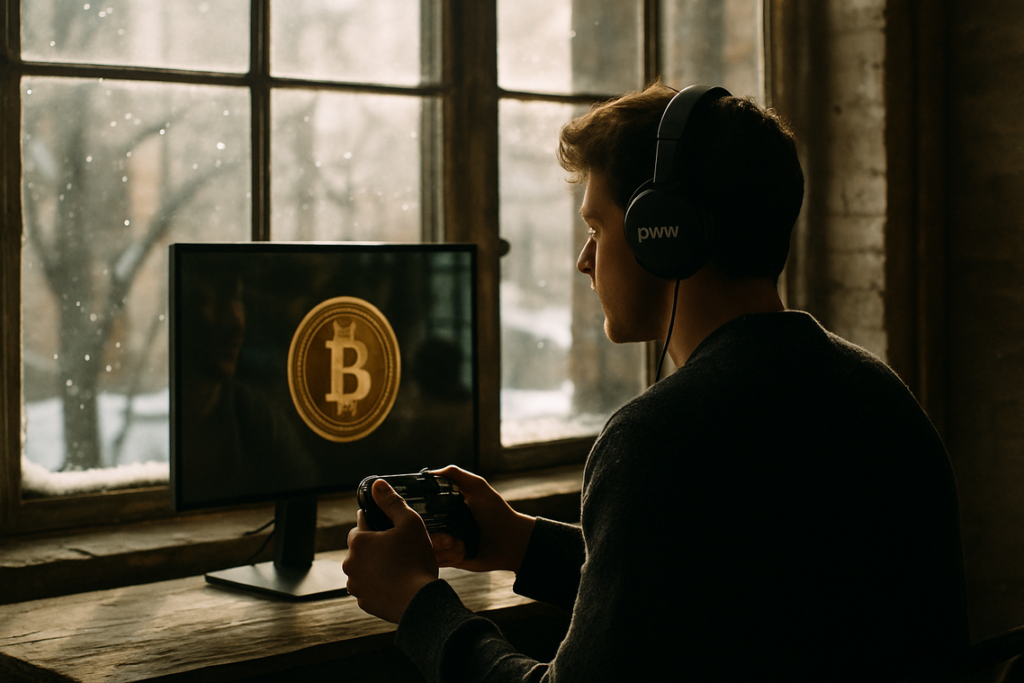
I’ve been tracking how games are starting to pay players in crypto for their loyalty.
You’re probably here because you’ve heard about games offering real money rewards but don’t know how to actually build one of these systems. Or maybe you’re wondering if it’s even worth it.
Here’s what I’m seeing: traditional loyalty programs don’t cut it anymore. Players want real value for the hours they put in. Not just cosmetic items or points that expire.
Crypto rewards in gaming pmwplayers are changing how developers think about retention. When players can earn something they can actually use outside your game, they stick around longer.
I’ve spent months analyzing which Web3 gaming economies actually work. Not the ones that promise the moon. The ones that are keeping players engaged and generating revenue right now.
This guide walks you through building a crypto rewards program from scratch. I’ll show you what works, what fails, and how to avoid the mistakes that tank most projects in their first month.
We’ve studied the successful implementations in digital finance and gaming. That means you’re getting insights based on real data, not theory.
You’ll learn how to design rewards that matter, implement them without breaking your game economy, and manage the system so it actually boosts loyalty instead of creating chaos.
No hype about the future of gaming. Just practical steps you can take today.
Why Crypto Rewards Are a Game-Changer for Player Retention
Most game studios still don’t get it.
They pump millions into engagement features and wonder why players leave after a few months. They add more skins, more battle passes, more daily login bonuses.
And players still walk away.
Here’s what nobody’s talking about. The problem isn’t the rewards themselves. It’s that players can’t actually own anything they earn.
Think about it. You grind for weeks to unlock a rare item. The game shuts down or you get banned. Everything you worked for? Gone.
That’s not a reward. That’s a rental.
Crypto rewards in gaming pmwplayers change this completely. When you earn a token or NFT, you own it. Not the studio. Not the platform. You.
I’ve watched this shift happen in real time. Players who own their assets behave differently. They stick around longer. They invite friends. They actually care about the game’s success because their success is tied to it.
Some developers argue this creates too much speculation and ruins the fun. They say players will just farm rewards and cash out.
Fair point. That happened with early play-to-earn games.
But here’s what they’re missing. The problem wasn’t ownership. It was bad game design wrapped in crypto hype. When you build a good game first and add real ownership second, something interesting happens.
Your retention metrics go through the roof.
Look at Axie Infinity’s early days (before the market crashed). Player Lifetime Value shot up 300% compared to traditional mobile games. Daily active users grew from thousands to millions in months. Why? Because players had skin in the game. Literally.
When players own assets they can sell or trade, churn drops. They don’t just quit on a bad day because walking away means leaving value on the table.
The math is simple. Higher LTV plus lower churn equals a sustainable player base that actually grows itself.
How to Structure Your Cryptocurrency Rewards Program
You want to add crypto rewards to your game.
Smart move. But here’s where most developers mess up.
They copy what everyone else is doing without thinking about what actually makes sense for their players. Then they wonder why their token crashes three months after launch.
I’ve watched this happen more times than I can count.
Some people will tell you that crypto rewards in gaming pmwplayers are just a fad. That players don’t really care about earning tokens. They just want fun gameplay.
And you know what? They have a point. If your game isn’t fun, no reward system will save it.
But here’s what they’re missing. When you structure rewards the right way, they make good games even better. They give players real ownership and a reason to stick around.
The trick is picking the right model for your game.
Model 1: The Play-to-Earn System
This one’s pretty straightforward. Players earn tokens by actually playing your game.
Complete a daily quest? You get tokens. Win a match? More tokens. Hit a milestone? Even more tokens.
It works best for games where player activity matters. Think competitive games or anything with regular engagement loops.
The downside? You need a lot of players actively earning and spending to keep things balanced. Otherwise your economy falls apart fast.
Model 2: The Own-to-Earn System
This model flips the script. Instead of rewarding players for playing, you reward them for owning stuff.
Buy an NFT character or a piece of virtual land, and it generates tokens passively. Just by holding it.
It’s cleaner in some ways. Less complicated to manage. But it can feel like a rich-get-richer situation if you’re not careful.
Picking Your Blockchain
Now let’s talk about where you actually build this thing.
Solana gives you speed and cheap transactions. Your players won’t pay $50 in gas fees just to claim their rewards (which matters more than you think).
Ethereum offers better security and more people already use it. But those transaction costs can kill the experience for smaller rewards.
There’s no perfect answer here. It depends on your game and your players.
Making Your Token Economy Work
Here’s the part most people get wrong.
You can’t just hand out tokens forever and expect them to hold value. That’s not how economics works.
You need token sinks. Places where players spend the crypto they earn. Maybe it’s buying new characters or upgrading equipment or entering tournaments.
Without these sinks, you’re just printing money. And we all know how that story ends.
Think about it like a bathtub. Water flows in from the faucet (rewards). Water flows out through the drain (spending). If there’s no drain, the tub overflows and you’ve got a mess.
Pro tip: Start conservative with your reward rates. It’s way easier to increase rewards later than to take them away after players get used to earning more.
The goal isn’t to make players rich overnight. It’s to create a system that lasts.
The Player Experience: Onboarding and Usability

Most crypto games fail before players even start.
Not because the gameplay is bad. Because the onboarding is a nightmare.
I’ve watched friends try to jump into blockchain games. They get excited about owning their items and earning real value. Then they hit the wallet setup screen and just… stop.
Some developers say players need to learn how crypto works first. That it’s part of being in this space. That if you can’t figure out a seed phrase, you don’t belong here.
But that’s backwards.
You don’t need to understand how a credit card processor works to buy coffee. Why should gaming be different?
Here’s what actually works.
Start with embedded wallets that handle the technical stuff behind the scenes. Players create an account with an email and password (things they already know). The crypto part happens quietly in the background.
When you explain the benefits, skip the blockchain talk. Instead say “You own this sword. You can sell it whenever you want.” Not “This NFT lives on an immutable ledger.”
The difference matters.
Cashing out needs to be just as simple. I’ve seen players earn $200 in a game but give up because converting it to real money took twelve steps and three different platforms. Build clear pathways from in-game rewards to their bank account or PayPal.
Security is where trust breaks down fast. Players worry about scams because they’ve heard the horror stories. Be upfront about how you protect their assets. Show them the security measures. Don’t hide behind technical terms.
For those exploring different gaming experiences, check out the 10 best games to play with headphones pmwplayers for immersive options.
The truth about crypto rewards in gaming pmwplayers is this: the technology should fade into the background. Players came to play, not to become crypto experts.
Make it easy or watch them leave.
Navigating the Risks and Regulatory Landscape
Let me tell you something most gaming sites won’t.
The regulatory side of crypto rewards in gaming? It’s a mess right now.
I’ve watched developers launch games with token economies only to get blindsided by securities laws they didn’t even know existed. It happens more than you’d think.
Here’s what nobody talks about. The US treats crypto rewards differently than the EU. And Asia? That’s a whole other story. What’s legal in Singapore might get you in trouble in South Korea.
The SEC doesn’t care if you call it a game token. If it walks like a security and quacks like a security, they’ll treat it like one.
Some developers say regulations will kill innovation in crypto rewards in gaming pmwplayers. They argue we should just build first and deal with lawyers later.
But I’ve seen that approach destroy studios.
The smarter play? Build with compliance in mind from day one. Yeah, it’s slower. But you won’t lose everything when regulators come knocking.
Market volatility is the other beast. Your players earn tokens worth $50 today. Tomorrow? Maybe $15. They’re going to be angry, and rightfully so.
You need a treasury strategy that can handle wild swings. Set aside reserves. Don’t promise what you can’t deliver when markets tank.
And watch out for the grinders. They’ll bot your game into the ground if there’s profit to extract. I’ve seen beautiful game economies collapse because developers didn’t plan for extraction-focused players.
The solution isn’t perfect. But rate limiting and smart tokenomics can help keep the actual players around while making it harder for bots to profit.
Building the Future of Interactive Economies
You now have a clear framework for understanding, structuring, and implementing a cryptocurrency rewards program in your game.
Traditional rewards don’t cut it anymore. Modern gamers want more than points that disappear when they log off.
Crypto rewards in gaming pmwplayers change the equation completely. When you offer true ownership and real-world value, you create a community that’s more loyal and genuinely invested in your game’s success.
Players stick around longer. They care more about outcomes. They become advocates instead of just users.
Here’s what you need to do: Start by defining your player engagement goals. What behavior do you want to encourage? What keeps players coming back?
Then choose the rewards model that aligns with your game’s core loop. Don’t force a system that fights against how people actually play.
This isn’t just another retention tactic. It’s a new way to build relationships with your players.
The tools exist right now. Your next step is to map out what player loyalty looks like in your game and design rewards that make it real.
 Blyxara Dwell is the founder of PMW Players and a passionate advocate for financial education and informed investing. With a strong interest in market developments, wealth-building strategies, and personal finance, she established the platform to provide readers with reliable insights that support smarter financial decision-making. Her vision centers on making financial knowledge accessible to individuals at every stage of their financial journey.